
US–Israel Attacks on Iran Continue as Conflict Escalates Across the Region
Military operations launched by the United States and Israel against Iran have continued to intensify, despite earlier indications that the campaign might last only a few weeks.
The strikes began on February 28, targeting key Iranian military installations and strategic facilities, including elements associated with Iran’s missile and defense programs. At the start of the operation, U.S. President Donald Trump suggested that the campaign could last two to three weeks and would end if Iran agreed to comply with U.S. demands. However, the conflict has continued to expand, with hostilities now spreading across several regions.
According to the Israeli military, thousands of airstrikes have been carried out across western and central Iran, targeting infrastructure and military sites. The operations have reportedly intensified as Israel attempts to weaken Iran’s strategic capabilities.
Meanwhile, Iran has also continued its retaliatory operations across the region, primarily targeting Israeli interests and allied military facilities.
Netanyahu Responds to Rumors
Amid widespread speculation on social media claiming that Israeli Prime Minister Benjamin Netanyahu had been killed in an Iranian strike, the Israeli leader released a video to dismiss the rumors.
In the video, Netanyahu is seen drinking coffee at a restaurant in Jerusalem, calmly addressing the online claims. The footage quickly attracted global attention.
“Some people online are saying I’ve been killed,” Netanyahu said humorously in the video. “But here I am enjoying my coffee. My people are behaving remarkably well. Do you want to count my fingers?”
The video was widely shared across social media platforms as a direct response to the misinformation circulating online.
Regional Escalation and Gulf Targets
Iranian strikes have also reportedly targeted strategic sites in Gulf countries, including locations hosting U.S. military bases.
One such attack reportedly struck near Dubai International Airport, damaging a fuel storage facility. Authorities confirmed that no casualties were reported, but limited airport operations were temporarily suspended as a precaution.
At the same time, Iranian media released footage showing the first operational use of a new domestically produced missile system known as “Singshil.”
Diplomatic Signals from Washington
Despite the escalating military confrontation, President Trump indicated that Iran may still be open to negotiations.
“I believe we have already defeated Iran in many ways,” Trump said during a statement. “There may be a little more fighting, but not much. They want to talk. I don’t think they are fully ready yet, but they will get there.”
Trump confirmed that diplomatic-level discussions between the United States and Iran are ongoing, though he expressed skepticism about Tehran’s readiness to make concessions.
Iran Warns of Retaliation
Iran’s Supreme Leader Mojtaba Khamenei, in a message released on Telegram, warned that the country’s enemies must be prepared to compensate for the damage caused to Iran during the ongoing attacks.
“We will take compensation from the enemy,” the statement said. “If they refuse, we will seize their assets wherever possible. If that cannot be done, we will destroy what belongs to them.”
Strait of Hormuz Crisis Raises Global Energy Concerns
In retaliation for the attacks, Iran has reportedly restricted shipping through the Strait of Hormuz, a critical global energy corridor through which around 20% of the world’s oil supply passes.
Over the past several days, several cargo vessels and fuel tankers attempting to pass through the strait without authorization have reportedly come under Iranian attack.
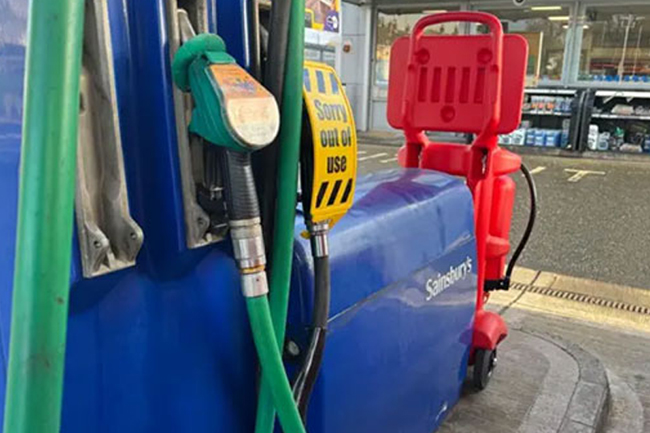
The disruption has triggered major instability in global energy markets, with oil prices rising sharply and exceeding $100 per barrel.
The growing fuel crisis has drawn international attention, with many analysts warning of potential long-term consequences for global energy supply chains.
Trump Calls on China and NATO Allies
President Trump has called on China and NATO allies to assist in reopening the Strait of Hormuz and restoring stability to global shipping routes.
“For example, China gets a huge portion of its oil through the Strait of Hormuz,” Trump said. “I strongly urge countries like China to step forward and help protect their own interests.”
Trump also warned that NATO members failing to support the effort could face consequences for the alliance’s future, while reaffirming that the United States has historically supported NATO partners.
Some Countries Refuse to Join War
Despite Washington’s appeals, several countries including Canada, Australia, Italy, Japan, and Spain have already stated that they do not intend to participate in military operations against Iran.
As the conflict enters its 17th day, reports indicate that significant damage has already been inflicted on Iran’s infrastructure, raising fears that the war could continue to expand across the Middle East.
Global leaders are now increasingly calling for urgent diplomatic efforts to prevent a wider regional war.











 English (United States) ·