
The Black Gold Revolution
Among the discoveries that transformed human civilization, petroleum occupies a uniquely powerful position. Although oil seepages from the earth’s surface had been used since ancient times for various purposes, the true “oil revolution” began in the mid-19th century, when humans first started drilling the الأرض systematically to extract oil.
Lighting the Darkness
Before the 1850s, the world primarily relied on whale oil for lighting. However, as whale populations declined, whale oil became increasingly expensive. This scarcity pushed scientists to search for a cheaper alternative—leading to the development of kerosene, which ultimately gave birth to the modern oil industry.
“Drake’s Folly” That Changed the World (1859)
The father of the modern oil industry is widely considered to be Edwin Drake.
In Titusville, Pennsylvania, many people initially mocked the idea of drilling for oil, calling Drake’s effort “Drake’s Folly.” However, on August 27, 1859, oil was successfully struck at a depth of about 69 feet—marking the world’s first commercially successful oil well and the beginning of a new industrial era.
Key Milestones in Oil History
Ancient Era
Babylonians and Persians used naturally occurring bitumen for boat repairs and medicinal purposes.
1850s
Ignacy Łukasiewicz developed the first kerosene lamp.
1870
John D. Rockefeller founded Standard Oil, expanding oil trade globally and shaping early corporate dominance.
20th Century
The invention and spread of automobiles caused a dramatic surge in global oil demand, making petroleum the backbone of industrial economies.
“Black Gold” and Global Political Conflict
With the discovery of oil, global politics became deeply intertwined with the control of this resource. Powerful nations competed fiercely to dominate oil reserves, reshaping international relations.
Britain and Persia: A Strategic Struggle
After oil was discovered in Iran in 1908, Britain established the Anglo-Persian Oil Company (now BP) and secured control over the resource.
In the 1950s, Iranian Prime Minister Mohammad Mossadegh attempted to nationalize the oil industry. This triggered a covert operation by British and American intelligence agencies, resulting in his removal—one of the most controversial political interventions in modern history.
OPEC and the 1973 Oil Crisis
OPEC was formed in 1960 by oil-producing nations to control prices and production.
During the 1973 Arab–Israeli War, OPEC nations used oil as a geopolitical weapon, cutting supplies to Western countries. This caused oil prices to quadruple, leading to severe economic disruption across the West.
Gulf Wars and Strategic Control
Oil remained central to major conflicts:
1990: Iraq’s invasion of Kuwait
2003: The Iraq War
Both events were strongly linked to the strategic importance of controlling oil reserves.
Modern Global Power Dynamics
The idea that “whoever controls oil controls the world” continues to shape geopolitics.
The United States maintains influence in the Middle East to stabilize oil markets and protect the dominance of the US dollar.
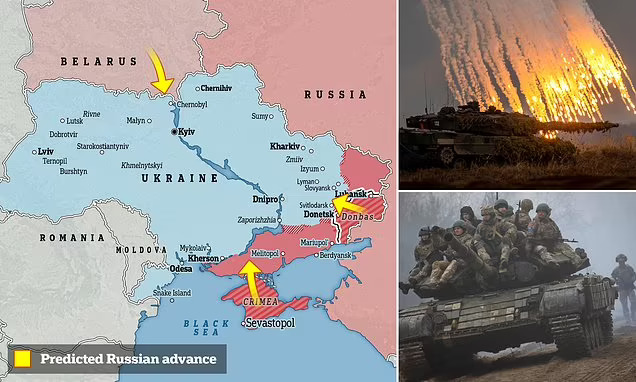
Russia uses oil and gas exports as tools of geopolitical leverage, particularly in Europe.
China strengthens ties with African and Middle Eastern nations to secure energy for its vast industrial system.
Where Is the Future Heading?
Today, the world is gradually shifting toward renewable energy sources such as solar and wind power in an effort to escape oil dependency and achieve energy independence.
However, petroleum is more than just a fuel—it was the catalyst that powered industrialization and reshaped the modern world. Its legacy continues to influence economics, politics, and global power structures even as humanity moves toward a new energy era.












 English (United States) ·