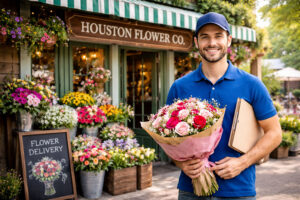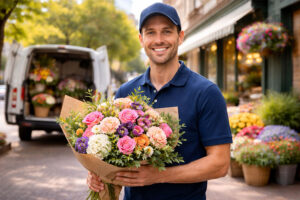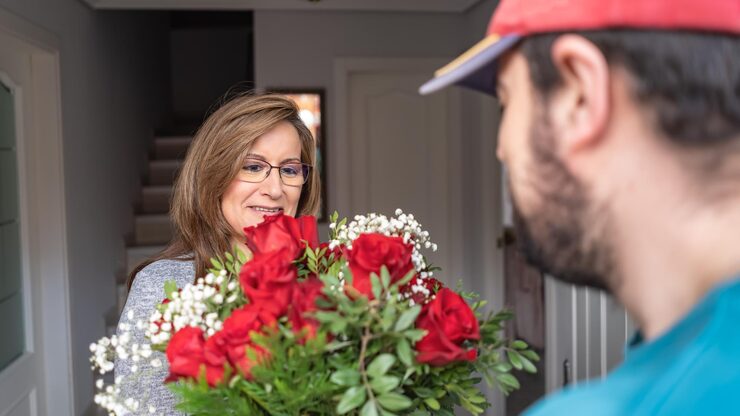

In the United States, flowers travel farther than ever before—not just across cities, but across states, climates, and time zones. What was once a local transaction between a customer and a neighborhood florist has evolved into a nationwide delivery system powered by technology, logistics, and global supply chains. Today, flower delivery services in the USA form a quiet but essential industry that supports celebrations, condolences, corporate etiquette, and personal connection in a geographically vast society.
From Corner Florists to Click-Based Delivery
For much of the twentieth century, flower delivery in the U.S. was handled almost exclusively by local florists. Orders were placed in person or by telephone, and delivery was typically limited to nearby neighborhoods. The expansion of interstate florist networks in the late 1900s—followed by the rise of internet commerce—changed that structure fundamentally.
Modern flower delivery services now operate through a mix of centralized warehouses, international flower farms, regional distribution hubs, and local florist partners. A customer in Texas can place an order online and have flowers delivered in New York the same day, often without knowing whether the bouquet was arranged locally or shipped overnight from a central facility.
How Flower Delivery Services Work
Most U.S. flower delivery services operate under one of three models.
The first is the local florist network, where online platforms route orders to a nearby florist who designs and delivers the arrangement by hand. This model emphasizes freshness and local craftsmanship but can vary in design consistency.
The second is the direct-to-consumer shipping model, where flowers are sourced from farms—often in Colombia, Ecuador, or California—assembled in centralized facilities, and shipped overnight in temperature-controlled packaging. These arrangements typically arrive as boxed flowers that are arranged at home or lightly assembled on delivery.
The third is a hybrid system, combining both approaches. These services ship certain products nationally while using local florists for same-day or specialty deliveries.
Each model has advantages depending on urgency, occasion, and budget.
Why Americans Rely on Flower Delivery Services
The demand for flower delivery in the USA reflects broader changes in how Americans live and communicate. Families are more geographically dispersed than in previous generations. Work schedules are tighter. Social obligations are often managed digitally rather than in person.
Flower delivery services meet these realities by offering convenience and reliability. Customers can schedule deliveries weeks in advance, receive reminders for anniversaries or memorial dates, and track deliveries in real time. For corporate clients, hospitals, and funeral homes, flower delivery services provide standardized processes that reduce uncertainty during sensitive moments.
Seasonal demand reinforces this reliance. Valentine’s Day, Mother’s Day, graduations, and major holidays account for a substantial share of annual flower deliveries, with some services handling millions of orders within narrow timeframes.
The Economics Behind the Industry
The U.S. flower delivery industry is closely tied to international agriculture. The majority of cut flowers sold in the United States are imported, particularly roses, carnations, and chrysanthemums. Advances in cold-chain logistics have made it possible for flowers grown thousands of miles away to arrive fresh within days.
Large flower delivery services benefit from scale. Bulk purchasing, centralized processing, and automated ordering systems reduce costs and allow competitive pricing. At the same time, this scale has placed pressure on independent florists, many of whom now rely on online platforms to access customers beyond walk-in traffic.
Despite these tensions, industry analysts note that online flower delivery has expanded the overall market by making floral gifting more accessible to younger consumers and first-time buyers.
Trust, Quality, and Customer Expectations
Delivering flowers is not the same as delivering durable goods. Flowers are perishable, visually specific, and emotionally charged. Customers expect the arrangement to resemble the photo they selected, arrive on time, and convey the intended sentiment.
As a result, flower delivery services invest heavily in quality control, insulated packaging, delivery tracking, and customer service policies. Refunds, replacements, and satisfaction guarantees are common features, reflecting the reputational risk of a single failed delivery shared widely on social media.
Online reviews now play a decisive role. Consumers often choose flower delivery services based less on brand loyalty and more on recent feedback, especially during peak seasons.
The Rise of Same-Day and Subscription Services
One of the most significant trends in the U.S. flower delivery market is the growth of same-day delivery. In major metropolitan areas, customers can now order flowers in the morning and have them delivered within hours. This has transformed flowers into a viable last-minute gift option rather than a planned purchase.
At the other end of the spectrum, flower subscription services have gained popularity. Weekly or monthly deliveries to homes and offices reframe flowers as part of everyday living rather than occasional indulgences. These subscriptions are particularly popular among urban professionals and businesses seeking consistent aesthetic appeal.
Sustainability and Changing Consumer Values
Environmental concerns are increasingly shaping flower delivery services in the USA. Customers are paying closer attention to sourcing, packaging, and waste. In response, many services now highlight farm partnerships, recyclable materials, and reduced plastic use.
While sustainability claims vary in depth and verification, the trend signals a shift in consumer expectations. Flowers are no longer judged solely on appearance but also on how responsibly they were produced and delivered.
The Future of Flower Delivery in the USA
The future of flower delivery services in the United States is likely to be defined by technology and personalization. Artificial intelligence is already being used to recommend arrangements based on occasion, recipient, and budget. Logistics systems continue to shorten delivery windows. Local florists are adopting digital tools to compete alongside national platforms.
What remains unchanged is the role flowers play in American life. Whether marking joy or grief, celebration or apology, flower delivery services exist not merely to move products, but to deliver emotion—quietly, reliably, and often across great distances.
In a country as large and mobile as the United States, that function has become indispensable. Why Buy Flowers Online?
Top Flower Delivery Services in the USA
1. The Bouqs Company
A leading online flower delivery service known for its farm-to-vase model and sustainable sourcing. Flowers are often cut to order and shipped directly from growers, which can enhance freshness and longevity. Offers a wide range of seasonal bouquets and subscription options.
2. UrbanStems
Highly rated for modern, design-driven arrangements and reliable delivery across the U.S. UrbanStems blends creative floral design with digital convenience and frequently offers same-day or next-day delivery.
3. 1-800-Flowers
A widely recognized flower delivery brand with one of the most extensive nationwide delivery networks. Known for classic bouquets, gift bundles (flowers with chocolates or balloons), and dependable customer service.
4. FTD (Florists’ Transworld Delivery)
One of the oldest floral delivery services in the U.S., FTD operates a network of local florists to provide hand-delivered bouquets and same-day arrangements. It’s a reliable choice for traditional floral gifts and formal occasions.
5. ProFlowers
Specializes in fresh flowers shipped directly to the recipient, often with same-day delivery options when ordered early. Its large catalogue includes roses, mixed bouquets, and seasonal selections.
6. Floom
A curated platform that connects customers with independent local florists across the country. Floom emphasizes unique, artisanal arrangements and often provides same-day delivery in major metro areas.
7. BloomNation
An online marketplace that allows customers to browse and order real florist-created arrangements with authentic photos from participating shops. It’s valued for transparency and supporting local floral designers.
Notable Specialty & Subscription Services
In addition to the major carriers above, the following brands are frequently cited in industry reviews and guides for specific preferences or features:
BloomsyBox
Known for weekly or monthly floral subscriptions, delivering fresh-cut flowers on a regular schedule. Ideal for ongoing gifting or decor.
From You Flowers
Offers a broad selection of bouquets and gift arrangements nationwide and is often listed among budget-friendly flower delivery services with same-day delivery options.
Flowerbx
A boutique choice focused on luxury, single-variety bouquets and high-end presentation. Often recommended for special occasions where design and impact matter most.
Tips for Choosing a Flower Delivery Service
When selecting a provider from the list above, consider:
- Delivery speed: Some services offer same-day delivery in major cities, while others are best for planned gifts.
- Design style: National brands tend toward standardized styles; boutique or local platforms like Floom and BloomNation often deliver more artisanal bouquets.
- Budget: Compare bouquet sizes, add-on gifts, and delivery fees. Subscription services may offer better value for frequent ordering.
- Occasion: Some services emphasize holiday collections, sympathy arrangements, or corporate gifting.
Top flower delivery services to mention
1) The Bouqs Company
Why it’s a leading pick
- Farm‑to‑vase sourcing with broad delivery. Bouqs emphasizes flowers sourced directly from growers and offers same‑day or next‑day delivery in select ZIP codes, a valuable option for urgent gifting. (The Bouqs Co.)
- Strong independent testing signal. The Spruce named Bouqs its overall top pick among tested delivery services, citing large selection, budget‑friendly options, and long‑lasting flowers, which underscores market trust beyond marketing claims. (The Spruce)
- Good for both one‑time gifts and repeat deliveries. Bouqs offers subscriptions alongside single orders, useful for individuals or offices that want recurring fresh flowers without re‑ordering every month.
Best uses: Birthdays, anniversaries, thank‑you gifts, and subscriptions for home or office.
Tradeoffs: Same‑day or next‑day availability is ZIP‑code dependent and limited to certain days; plan ahead for some regions or seasons.
2) UrbanStems
Why it stands out
- Modern design and fast delivery options. UrbanStems markets same‑day and next‑day delivery across many areas, making it a reliable go‑to when time is tight. (UrbanStems)
- Recognized by independent reviewers. The Spruce picked UrbanStems as its top subscription service after testing, signaling quality packaging, strong styling, and dependable fulfillment. (The Spruce)
- Clear category organization and visible reviews. The site highlights different occasions, subscriptions, and has public review counts for popular bouquets—helpful for quick, confident decisions. (UrbanStems)
Best uses: Stylish gifts, same‑day deliveries in metro areas, and monthly or occasional subscriptions.
Tradeoffs: Premium, design‑forward pricing; exact varieties can shift by season or availability, which is typical of designer‑driven services.
3) 1‑800‑Flowers
Why it’s a dependable national option
- Extensive same‑day delivery network. The company publicly details same‑day ordering cutoffs for weekdays and weekends, underscoring its reach and operational maturity. (1-800-Flowers)
- Long‑running, widely known brand. As a major national florist platform, it’s well suited for delivering across diverse U.S. locations where smaller boutiques may not serve.
- Backed by independent testing recognition. The Spruce selected 1‑800‑Flowers as its best same‑day delivery pick, providing an external stamp of approval for urgent gifting. (The Spruce)
Best uses: Last‑minute gifts, hospital or sympathy deliveries, and situations where coverage and timing matter more than boutique styling.
Tradeoffs: Can be pricier when add‑ons or premium arrangements are included; design style varies from classic to mass‑market rather than ultra‑bespoke.
4) FTD
Why it remains a top classic pick ftd.com
- Century‑plus history and a large local florist network. FTD stresses over 110 years of service, plus partnership with local florists that deliver or fulfill same‑day, giving buyers both tradition and reach.
- Clear policies for expedited and same‑day delivery. The platform notes time cutoffs for quick fulfillment via partners, which is useful for readers needing to meet deadlines.
- Broad occasion coverage. The site supports birthday, sympathy, funeral, and many other categories, helpful for readers who want a single place for any need.
Best uses: Traditional floral gifts, formal events, and orders where a long‑established, widely available service is preferred.
Tradeoffs: Style depends on local florist partners; pricing and availability can vary by location and season.
5) Teleflora
Why it’s a strong national local‑florist network
- Hand‑arranged bouquets by local florists. Teleflora emphasizes local arrangement, meaning recipients often receive bouquets crafted on site near delivery, which can be preferable to box‑shipped stems. (teleflora.com)
- Same‑day delivery available. Useful for last‑minute gifts, with public guidance on delivery fees and available deals.
- Noted by third‑party reviewers. The Spruce designated Teleflora as a top pick for gifting, recognizing its convenience and ready‑to‑display arrangements. (The Spruce)
Best uses: City‑specific, same‑day gifts; sympathy or formal events where a locally crafted vase arrangement is preferred.
Tradeoffs: Quality and style depend on the specific local florist; pricing can include delivery or add‑on fees, and stock varies by region.
6) Farmgirl Flowers
Why it’s worth listing among top services
- Boutique, design‑led bouquets with strong public profile. Farmgirl Flowers has been operating for many years with a focus on photogenic, distinctive bouquets and national reach, signaling maturity in a boutique‑style service. (farmgirlflowers.com)
- Recognized by independent testing. The Spruce highlighted Farmgirl for excellent search filters, strengthening its credibility for shoppers who want to filter by occasion or flower type. (The Spruce)
- Clear seasonal and curated selections. The platform frequently showcases featured lines and partnerships, useful for readers who want a stylish, current look.
Best uses: Stylish, shareable gifts; social or lifestyle events; readers who want something more distinct than classic mass‑market bouquets.
Tradeoffs: Premium pricing versus discount carriers; availability can be limited during peak periods, and final color mixes can depend on seasonal supply.
7) Floom
Why it adds unique value (Floom)
- Marketplace of independent local florists. Floom connects buyers to independent designers across U.S. cities, enabling hand‑delivery by local shops and support for boutique craftsmanship.
- Transparent, artisan‑friendly model. The platform positions itself around premium stems, handwritten messages from florists, and a broad set of occasions—appealing to readers who want the authenticity of a neighborhood florist with online convenience.
- Real‑world feedback and marketplace depth. Listings include a wide range of bouquets and prices from different florists, giving readers options based on budget and aesthetic.
Best uses: City‑specific, design‑forward gifts; discovery of local florists in major metro areas or when supporting small businesses is a priority.
Tradeoffs: Availability and delivery windows vary by city and individual florist; pricing depends on specific shops and bouquet complexity.