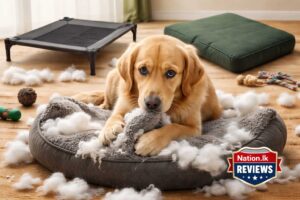
What every responsible dog owner should have from day one
Bringing a puppy or dog into your home is not just an emotional commitment; it is a logistical one. Beyond food and shelter, dogs require a carefully chosen set of accessories that support their health, safety, behavior, and integration into family life. Many first-time owners underestimate how much the right accessories matter—not for luxury, but for prevention of common problems such as anxiety, injuries, destructive behavior, and avoidable health issues.
Veterinarians, trainers, and animal welfare organizations consistently emphasize that a well-equipped dog owner is better positioned to raise a confident, well-adjusted animal. Here outlines the essential dog accessories every puppy or adult dog should have, with practical explanations rather than marketing hype.
1. Collar, Harness, and Identification
Safety before style
A properly fitted collar or harness is non-negotiable. For most dogs, especially puppies and small breeds, a harness is preferable to a collar because it distributes pressure across the chest rather than the neck, reducing the risk of tracheal injury.
Equally important is identification. Every dog should wear an ID tag with the owner’s phone number. Microchipping is strongly recommended, but visible ID remains the fastest way for a lost dog to be returned.
Why it matters:
Lost dogs without identification are significantly less likely to be reunited with their owners. This is a preventable problem. Veterinary consensus in the U.S. increasingly favors harnesses over neck collars, especially for puppies, small breeds, and dogs prone to pulling.
What to look for:
• Front-clip or dual-clip design
• Adjustable chest and shoulder straps
• Breathable padding
• Machine-washable materials
View best-selling dog harnesses on Amazon →
Best Dog Harnesses
| Feature | Front-Clip Harness | Back-Clip Harness | Dual-Clip Harness |
|---|---|---|---|
| Best For | Pullers, training | Calm walkers | All-round use |
| Neck Safety | Excellent | Good | Excellent |
| Training Effect | High (reduces pulling) | Low | High |
| Ease of Use | Moderate | Easy | Moderate |
| Vet Recommendation | Very High | Moderate | Very High |
| Puppy-Friendly | Yes | Yes | Yes |
| Typical U.S. Buyer | Urban walkers | Small breeds | Families |
Editorial note:
U.S. trainers increasingly favor dual-clip harnesses for flexibility as dogs mature.
2. Leash (and a Backup Leash)
Control, training, and legal compliance
A sturdy leash—typically 4 to 6 feet long—is essential for daily walks and training. Retractable leashes may seem convenient, but many trainers discourage them due to poor control and higher injury risk.
Having a backup leash at home or in the car is a simple but often overlooked precaution.
Why it matters:
Leash laws exist for safety. More importantly, consistent leash use helps prevent accidents, dog fights, and road injuries.
Reliable Leashes Every Owner Needs: A standard leash offers predictable control, which is critical in traffic-dense American neighborhoods.
What to look for:
• 4–6 foot length
• Reinforced stitching
• Comfortable handle grip
• Reflective threading for night walks
See top-rated standard dog leashes →
Leashes Comparison (Control & Safety)
| Feature | Standard Leash | Retractable Leash | Long Training Lead |
|---|---|---|---|
| Control | High | Low | Moderate |
| Traffic Safety | Excellent | Poor | Poor |
| Training Use | Excellent | Not recommended | Specialized |
| Puppy-Safe | Yes | No | With supervision |
| U.S. Legal Fit | Excellent | Mixed | Limited |
| Trainer Preference | Very High | Low | Moderate |
Editorial stance:
Standard leashes remain the safest choice for American neighborhoods.
3. Food and Water Bowls
Function over aesthetics
Stainless steel or ceramic bowls are preferred because they are easy to clean and less likely to harbor bacteria than plastic. For fast eaters, a slow feeder bowl can reduce choking, vomiting, and bloating.
Fresh water should be available at all times, indoors and outdoors.
Why it matters:
Poor feeding habits can contribute to digestive problems, obesity, and even life-threatening conditions like gastric dilatation-volvulus (GDV) in large breeds.
Browse vet-recommended slow feeder bowls →
Food & Water Bowls (Health Impact)
| Feature | Plastic Bowl | Stainless Steel | Slow Feeder Bowl |
|---|---|---|---|
| Hygiene | Low | Very High | High |
| Durability | Low | High | High |
| Dishwasher Safe | Sometimes | Yes | Yes |
| Bloat Prevention | No | No | Yes |
| Best For | Temporary use | Daily feeding | Fast eaters |
| Vet Preference | Low | Very High | Very High |
Editorial recommendation:
Avoid plastic bowls for daily feeding due to bacterial buildup.
4. A Proper Dog Bed
Not a luxury—an orthopedic necessity
Dogs need a designated resting area. A good bed supports joints, regulates body temperature, and provides psychological security. Puppies and anxious dogs benefit from beds with raised edges that create a den-like feeling.
For chewers, durable or chew-resistant beds are essential to prevent ingestion of fabric or foam.
Why it matters:
Chronic sleeping on hard floors contributes to joint stress, pressure sores, and poor sleep quality—issues often mistaken for “aging” rather than environmental neglect.
Compare orthopedic dog beds →
Dog Beds Comparison (Comfort & Health)
| Feature | Standard Bed | Orthopedic Bed | Chew-Resistant Bed |
|---|---|---|---|
| Joint Support | Low | High | Moderate |
| Best For | Young dogs | Large & senior dogs | Puppies, chewers |
| Durability | Moderate | High | Very High |
| Washable Covers | Sometimes | Usually | Usually |
| Price Range (USA) | Low | Medium–High | Medium |
| Vet Recommendation | Moderate | Very High | High |
Key insight:
Orthopedic beds are preventive care, not a luxury—especially for large U.S. breeds.
5. Crate or Safe Confinement Area
Training tool, not punishment
A crate is one of the most misunderstood dog accessories. When introduced correctly, it becomes a safe retreat, aids in house training, and prevents destructive behavior when the dog is unsupervised.
Crates should always be appropriately sized—large enough for the dog to stand, turn, and lie down comfortably.
Why it matters:
Dogs instinctively seek secure spaces. A crate reduces anxiety, improves training outcomes, and can be lifesaving during emergencies or travel.
Find properly sized dog crates
Dog Crates Comparison (Training & Safety)
| Feature | Wire Crate | Plastic Crate | Soft-Sided Crate |
|---|---|---|---|
| Best For | Home training | Travel & flights | Calm, trained dogs |
| Ventilation | Excellent | Moderate | Moderate |
| Durability | High | High | Low |
| Escape Resistance | High | Very High | Low |
| Ease of Cleaning | Easy | Easy | Moderate |
| U.S. Trainer Use | Very High | High | Low |
Important note:
Wire crates remain the most recommended option in U.S. training programs.
6. Dog Toys (Mental and Physical Stimulation)
Prevent boredom before it becomes destruction
Dogs require both physical and mental stimulation. A balanced toy collection should include:
- Chew toys (for teething and stress relief)
- Interactive or puzzle toys (for mental engagement)
- Soft toys (for comfort, depending on chewing habits)
Rotate toys regularly to maintain interest.
Why it matters:
Boredom is a leading cause of destructive behavior, excessive barking, and anxiety-related problems.
Explore interactive dog toys →
| Toy Type | Purpose | Best For | Durability |
|---|---|---|---|
| Rubber Chew Toys | Stress relief | Strong chewers | Very High |
| Puzzle Toys | Mental stimulation | Intelligent breeds | High |
| Rope Toys | Tug & bonding | Supervised play | Moderate |
| Plush Toys | Comfort | Gentle chewers | Low |
Behavioral insight:
Rotating toys weekly reduces boredom more effectively than buying more toys.
7. Grooming Essentials
Hygiene is health care
At minimum, every dog owner should have:
- A brush or comb suitable for the dog’s coat
- Dog-safe shampoo
- Nail clippers or grinder
- Ear cleaning solution
Breed and coat type determine how extensive grooming needs to be, but neglecting basic grooming can lead to infections and skin disease.
Why it matters:
Many veterinary visits for ear infections, matting, and nail injuries are entirely preventable with routine grooming.
Shop essential dog grooming supplies →
Grooming Tools
| Tool | Purpose | Frequency | Skill Level |
|---|---|---|---|
| Brush / Comb | Coat health | Weekly–daily | Easy |
| Nail Clipper / Grinder | Paw safety | Monthly | Moderate |
| Dog Shampoo | Skin hygiene | Monthly | Easy |
| Ear Cleaner | Infection prevention | As needed | Easy |
Veterinary note:
Neglected grooming is a common cause of preventable U.S. vet visits.
8. Training Treats and Reward Pouch
Consistency builds behavior
Training is not optional—it is how dogs learn to live safely with humans. Small, high-value treats used consistently reinforce desired behavior. A treat pouch makes training practical during walks and daily routines.
Why it matters:
Positive reinforcement is proven to be more effective and humane than punishment-based methods.
9. Waste Bags and Cleanup Tools
Public responsibility
Responsible ownership includes cleaning up after your dog. Biodegradable waste bags and a simple dispenser attached to the leash make compliance effortless.
Why it matters:
Beyond hygiene and public courtesy, improper waste disposal contributes to environmental contamination and disease spread.
10. Travel and Safety Accessories
Preparedness saves lives
Depending on your lifestyle, essential safety items may include:
- Car seat covers or dog seat belts
- Portable water bottles
- Reflective gear for night walks
- A basic canine first-aid kit
Why it matters:
Many dog injuries occur during transport or outdoor activities, not at home.
Recommended items:
• Dog seat belts or car harnesses
• Portable water bottles
• Reflective vests or collars
• Basic canine first-aid kits
View dog travel and safety gear →
Essentials, Not Excess
The pet industry often blurs the line between necessity and novelty. While dogs do not need excessive gadgets, they do need thoughtfully chosen essentials that support their physical health, emotional stability, and safety.
Investing in the right accessories early reduces long-term costs—medical, behavioral, and emotional. More importantly, it ensures that your dog is not just fed and housed, but truly cared for.
Responsible ownership is not about buying more. It is about buying right.
Part Two:
What Dog Owners Should Know Before Buying Accessories
Expert Guidance Behind This Checklist
This accessory list reflects guidance commonly used by U.S. veterinarians, certified dog trainers, and animal welfare organizations, including principles promoted by the American Veterinary Medical Association (AVMA), professional training bodies, and large-scale shelter systems across the United States.
In recent years, U.S. animal welfare data has consistently shown that many preventable injuries, behavioral problems, and surrender cases are linked not to neglect, but to poor equipment choices—particularly during a dog’s first year at home.
Puppy vs Adult Dog: What Actually Changes
While many accessories are universal, their function and frequency of replacement differ sharply between puppies and adult dogs.
| Category | Puppy Needs | Adult Dog Needs |
|---|---|---|
| Collar / Harness | Adjustable, refitted monthly | Stable fit, replaced when worn |
| Bed | Smaller, washable, chew-resistant | Orthopedic support prioritized |
| Toys | Teething-safe, softer | Durable, mentally stimulating |
| Grooming | Gentle brushes, frequent sessions | Coat-specific tools |
| Training Tools | High-frequency treats, short sessions | Maintenance training |
Key insight: Puppies outgrow equipment quickly. Buying “future-sized” gear often leads to injuries and escapes.
Common Mistakes Seen Households
Animal trainers and shelters across the U.S. repeatedly identify the same avoidable errors:
• Buying oversized collars “to grow into”
• Using retractable leashes in traffic-heavy neighborhoods
• Choosing plush toys for power chewers
• Skipping ID tags because the dog is “always indoors”
• Assuming crates are cruel rather than protective
These mistakes are among the top contributors to lost dogs, emergency vet visits, and early behavioral issues.
Accessories as Injury Prevention Tools
In American veterinary practice, many common conditions are now recognized as equipment-related rather than genetic.
• Neck collars → tracheal injury, cervical strain
• Poor bedding → accelerated arthritis in large breeds
• No chew outlets → dental disease and stress behaviors
• Slippery feeding bowls → chronic neck and shoulder tension
The correct accessory choice often prevents medical problems that later require costly treatment.
A Realistic Starter Checklist (Budget-Friendly)
Day-One Essentials
• Adjustable harness
• Standard leash (4–6 ft)
• ID tag + collar
• Food & water bowls
• Waste bags
• One chew-safe toy
First-Month Additions
• Proper dog bed
• Grooming tools
• Training treats
• Crate or safe confinement area
Upgrade Over Time
• Orthopedic bed
• Interactive puzzle toys
• Travel safety gear
• Weather-specific accessories
This phased approach reflects how most American households successfully integrate dogs without unnecessary expense.
Climate and Lifestyle Considerations
The U.S. presents wide environmental variation, and accessories should reflect this reality.
Hot & Southern States
• Cooling mats
• Elevated beds
• Stainless steel bowls
• Portable water bottles
Cold & Northern States
• Insulated bedding
• Paw protection for salt and ice
• Reflective winter gear
Urban vs Suburban Living
• Urban: reflective harnesses, short leashes
• Suburban/Rural: longer leads, tick prevention tools
Ignoring climate is a frequent cause of discomfort and heat- or cold-related stress in dogs.
Ethical Ownership: What Accessories Should Never Do
Modern animal welfare standards in the U.S. emphasize that accessories should support natural behavior, not suppress it.
Avoid tools designed primarily to intimidate, restrict breathing, or cause pain. The growing consensus among U.S. trainers and veterinarians is clear:
equipment should guide, protect, and comfort—not punish.
FAQ from Dog Owners
Do indoor dogs need collars?
Yes. In emergencies or escapes, identification saves time and lives.
Are crates cruel?
No. When used correctly, crates reduce anxiety and improve safety.
How often should dog beds be replaced?
Every 1–3 years, or sooner if support collapses or hygiene declines.
How many toys does a dog need?
Quality matters more than quantity. Three to five rotating toys is sufficient.
Why Accessories Matter More Than Ever
In the United States, dogs are increasingly integrated into family life, travel, and public spaces. This shift has raised expectations—not only for affection, but for responsible environmental design around animals.
Dog accessories are not lifestyle upgrades.
They are preventive infrastructure.
Choosing them thoughtfully is one of the simplest ways to improve a dog’s health, safety, and emotional stability—while reducing long-term costs for owners.